Household Guide: How to Pick Senior Care with Specialized Memory Assistance
Business Name: BeeHive Homes of Arrowhead Assisted Living
Address: 17202 N 69th Ave, Glendale, AZ 85308
Phone: (602) 717-1864
BeeHive Homes of Arrowhead Assisted Living
BeeHive Homes of Arrowhead Assisted Living care is ideal for those who value their independence but require help with some of the activities of daily living. Residents enjoy 24-hour support, private bedrooms with baths, medication monitoring, home-cooked meals, housekeeping and laundry services, social activities and outings, and daily physical and mental exercise opportunities. We offer full memory care services that accommodate the growing number of seniors affected by memory loss and dementia. Beehive Homes offers respite (short-term) care for your loved one should the need arise. At the BeeHive Homes of Arrowhead Assisted Living, we strive to provide the best care for our residents while maintaining their dignity and respect.
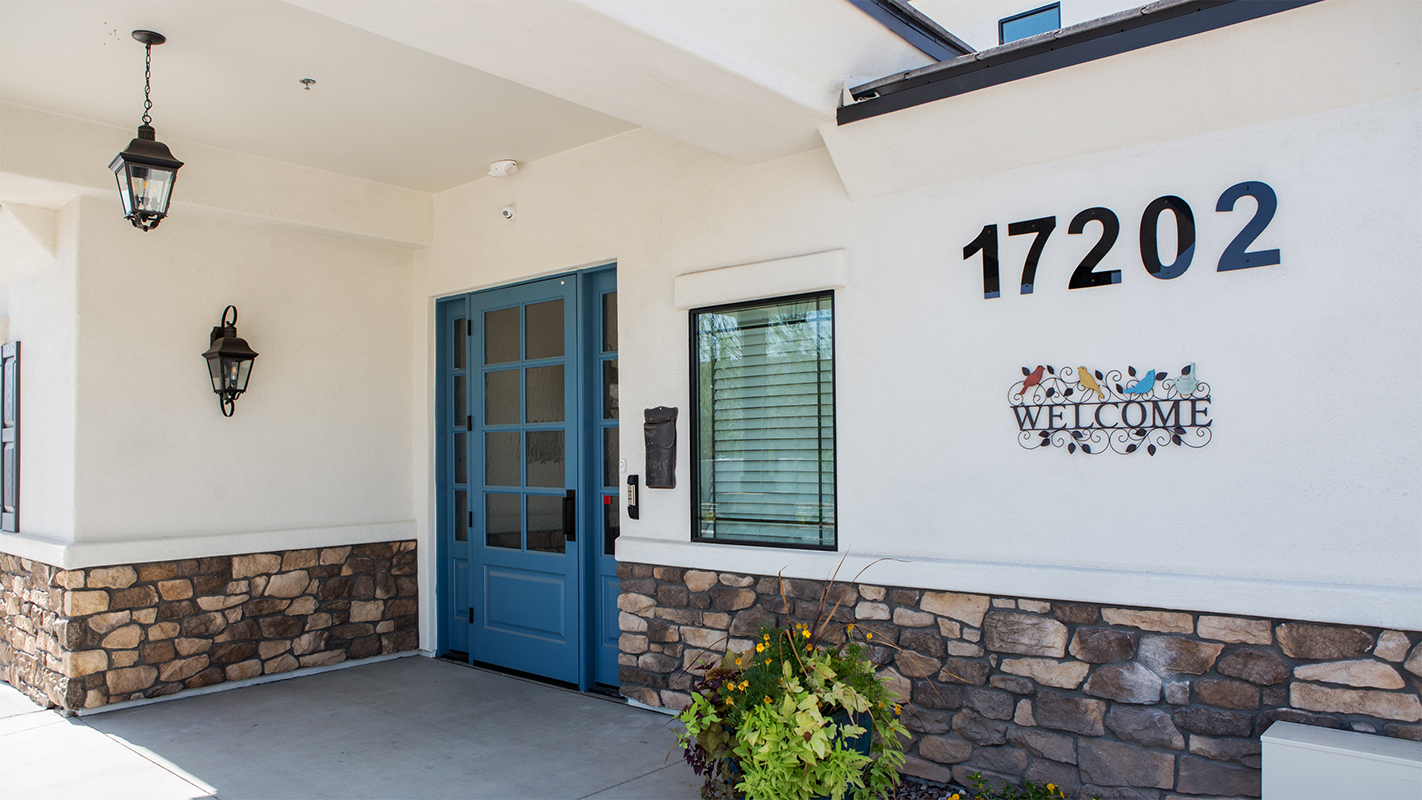
17202 N 69th Ave, Glendale, AZ 85308
Business Hours
Families rarely prepare for memory loss. It arrives in fragments, first as small lapses, then as gaps that agitate routines. What begins as misplaced keys ends up being missed out on medications or a range left on. The stakes increase silently, then all at once. When a parent or partner starts wandering into confusion, choosing the ideal environment is both a safety decision and a promise about quality of life. That is where specialized memory assistance within senior care changes the equation, offering structure, calm, and dignity for individuals living with dementia.
I have sat with children who bring regret about thinking about a move, and with spouses who have not slept through the night in months. I have actually walked communities at 6 a.m., when the graveyard shift is simply ending and you can see what a location is truly like. The best choices come from clear information, honest reflection about requirements, and first-hand observation you can rely on. This guide equates those aspects into useful steps you can use best away.

What specialized memory support really means
"Memory care" is not just marketing. It generally refers to a protected residential environment developed for individuals dealing with Alzheimer's illness or related dementias. The objective is to decrease anxiety, prevent risky wandering, and hint day-to-day jobs so residents can take part to the very best of their capability. Excellent programs develop predictable rhythms, use visual triggers and color contrast, and train staff to respond to distress without intensifying it.
Memory care is different from basic assisted living or nursing homes. Assisted living aids with everyday activities like bathing and dressing, however it may not have the staffing patterns, environmental style, or consistent shows required for dementia care. A knowledgeable nursing facility focuses on medical intricacy and rehab. Some do memory care well, others are essentially medical systems that are not perfect for somebody who takes advantage of a homelike regimen and engagement.
Respite care fits along with these choices. It is short-term, organized stays in a memory care environment that provide family caregivers a break, permit recovery after hospitalization, or test-drive a neighborhood before an irreversible move. Even a week can stabilize sleep, enhance medication adherence, and reveal you how your loved one responds to a more structured day.
When home stops being safe enough
Every household asks the same concern: is it time? No single sign determines a move, however patterns matter. I search for modifications throughout 3 domains.
Safety: repeated roaming outside, getting lost in familiar locations, leaving doors unlocked in the evening, cooking area hazards, or falls that take place in comparable circumstances.
Health: unintentional weight-loss, dehydration, repeated urinary tract infections, missed out on medications, or diabetes management that has become erratic due to the fact that cognition dropped even a little.
Caregiver stress: one person providing round-the-clock supervision, interfered with sleep due to sundowning, and emotional or physical burnout. When the primary caregiver is at risk, the circumstance is no longer stable.
Families sometimes try to extend home care by adding hours or setting up technology. That can work for a while. However even with cams, apps, and a neighbor looking in, somebody with progressing dementia needs cueing throughout the day, not just coverage. A structured setting can minimize crises long before emergencies force an unintended move.
The anatomy of a strong memory care program
If you tour ten neighborhoods, you will hear ten various pitches. Strip away the marketing and look at specific elements that anticipate resident wellness.
Staffing ratios and stability matter. There is no universal legal ratio for all states, however numerous high-quality memory care systems aim for one direct care personnel to every five to eight homeowners throughout the day, shifting in the evening when homeowners sleep. Ask about tenure. A group with low turnover has the rhythms that create calm. When I see the exact same assistants greeting locals by name throughout several visits, I anticipate less behavioral outbursts.
Training hours need to be ongoing, not a one-time orientation. Try to find programs that teach communication methods, non-pharmacologic approaches to stress and anxiety, pain identification in nonverbal homeowners, and de-escalation. Ask who carries out training, how typically, and what the last in-service covered.
Clinical coordination is the bridge in between life and medical oversight. Strong communities track weight, hydration, bowel routines, sleep, and mood, then share those patterns with the nurse specialist or medical director. They have a standard method to keep an eye on delirium threat when somebody has an infection, and they intensify changes rapidly to household and service providers. Medication management is disciplined, with double-checks for high-risk drugs.
Environmental style supports orientation and self-respect. You desire a compact footprint with circular strolling courses, safe outside gain access to, good lighting that minimizes shadows, clear signs utilizing both words and images, and distinct color contrasts that assist with depth perception. Restrooms must have obvious cues: colored toilet seats for contrast, non-glare floorings, and grab bars where the eye naturally goes.
Daily life should be significant, not just busy. Activities ought to match cognitive levels and personal histories. I have seen former accounting professionals relax while sorting and verifying coin rolls, gardeners illuminate when watering plants, and lifelong churchgoers settle when hymn sing-alongs begin. Programs need to fill mornings with higher-energy engagement and scale down into gentler sensory tasks in the afternoon when sundowning danger increases. The very best locations treat mealtime as both nutrition and social routine, with versatile adaptations for swallowing difficulties.
Family partnership seals it. Excellent groups ask you for a life story document and utilize it. They text or call when something changes, not simply at care conferences. They welcome you into care planning, yet secure your role as family, not staff. If a community resists family input, you might struggle later when the disease progresses.
The first visits: how to read what you see
Tours frequently occur at ideal hours. Demand an unscripted lap through the building during a meal or shift change. Arrive 10 minutes early and observe without a sales filter. Glance at the published activity calendar, then see if it is occurring or if the television is substituting canceled programs. Notification smells. A faint fragrance of cleaning items can be typical, however continuous urine smell recommends persistent housekeeping gaps or incontinence strategies that are not working.
Speak to aides, not just managers. Ask what they delight in about the unit, the length of time they have worked there, and who trains new staff. See how staff method homeowners. Do they crouch to eye level, usage names, and offer options? Or do they steer residents by the elbow without a word? Those micro-moments inform you more than any brochure.
Look at dining. Are plates high contrast so food is visible? Are locals eating, or is food left untouched? One neighborhood I rely on sets out adaptive utensils as standard, not just when a resident "qualifies." That attitude avoids disappointment long in the past great motor abilities decline.
Here is a basic checklist to constant your impressions without turning the visit into an interrogation.
- Staffing: variety of assistants on the floor, nurse existence, observed staff-resident interactions.
- Environment: lighting, sound level, safe and secure outdoor space, clean bathrooms with visual cues.
- Daily life: proof that calendar activities are actually taking place, individualized products in common spaces.
- Health routines: medication pass observed for precision and calm, hydration readily available, movement support.
- Family gain access to: how updates are shared, transparency about occurrences, versatility for unintended visits.
Levels of care and how they shift over time
Memory care is not static. A resident might go into fairly independent, requiring hints and safety, then advance to hands-on help with feeding, transfers, and health. Ask how the neighborhood examines levels of care and how those levels translate to month-to-month charges. Clarify what occurs when needs change. A thoughtful program reevaluates at routine periods, not just when there is an issue. It will likewise have a plan for when the resident requirements hospice, intravenous prescription antibiotics, or behavioral support beyond the unit's scope.
For some households, the course begins with respite care. A two-week stay offers a picture. You will see if your loved one sleeps better in a structured environment, if hunger returns with communal dining, and whether wandering decreases with safe walking paths. If the stay goes well, converting to long-term residency can be smoother due to the fact that the environment is familiar.
The cost conversation you can not avoid
Memory assistance is pricey. Monthly charges differ extensively by region and by whether the community is assisted living based or part of a knowledgeable nursing facility. It is common to see a base rate for space and board, then added fees for the memory care program and for the level of personal care required. Some communities utilize complete pricing to reduce surprises, while others costs à la carte for bathing help, incontinence materials, or accompanying to meals.
Insurance protection is limited in the United States. Standard Medicare does not pay for room and board in assisted living or memory care. It can cover proficient services like therapy or nursing after a qualifying health center stay, but not the residential cost. Long-lasting care insurance coverage may help if the policy consists of dementia care and the community meets the policy's meaning of a qualified setting. Medicaid can spend for memory care in some states through waiver programs, usually with waitlists and eligibility rules that require properties to fall listed below thresholds. Veterans and making it through partners might receive Aid and Presence advantages that partly balance out costs.
Families typically underestimate the add-ons that matter. Transport to outdoors visits, private caretakers during hospitalizations to prevent delirium, dental care, podiatry, hearing aids, and incontinence items build up. Build room in your spending plan for those recurring items.
To make the math and the procedure more manageable, move through a short sequence.
- Map present costs: at home aides, adult day programs, home upkeep, meal delivery, and unsettled caregiver time. Compare to the memory care rate.
- Confirm benefits: evaluation long-term care insurance coverage sets off, VA Aid and Participation eligibility, and state Medicaid waiver pathways.
- Ask for a cost sheet: determine base rate, care level fees, and typical add-ons. Model best and worst case regular monthly totals.
- Stress test the plan: can the budget hold if care level increases by one or two actions within a year?
- Plan for shifts: comprehend notice requirements for fee changes, deposit refund policies, and what happens if funds run short.
Culture fit is not fluff
Some communities feel like quiet libraries. Others hum with activity. Either can be ideal depending on the individual. A retired engineer who chooses regular and calm might thrive with predictable, small-group tasks. A former teacher might do better where there is regular music, hallway discussion, and grandchildren visiting. Take note of little hints. Do locals wear their own clothes and hairdos, or does everybody look the very same by twelve noon? Exist traces of individual life stories in typical areas, like a shadow box outside each space with photos and mementos? Is there area for failure without embarrassment, such as a baking program where buns come out misshapen and everybody laughs?
I remember a woman with early-onset Alzheimer's who stopped pertaining to activities at one neighborhood. Personnel thought she was withdrawing. At another setting with an art studio feel, she painted in long, soaked up stretches and needed less stress and anxiety medications. The medical requirements did not change. The culture enabled her staying strengths to lead.
Red flags you must not rationalize
Families sometimes talk themselves out of what they see, especially when a waitlist or an unique rate is on the line. Slow down if you observe duplicated call lights unanswered, locals sleeping in wheelchairs in corridors for extended periods, staff who do not know names, or a defensive action to basic concerns. Turnover takes place in healthcare, but continuous churn at the management level frequently foreshadows inconsistent care. If tour guides avoid particular hallways or say you can not visit throughout meals, ask why. A neighborhood that genuinely does excellent dementia care is happy to reveal it at untidy times, not simply during the afternoon sing-along.
Safety, elopement, and dignity
Families stress over locked doors, in some cases equating protected systems with loss of liberty. The ideal design preserves autonomy while safeguarding from harm. I like to see border security with discreet alarms, interior doors that are simple to navigate, and coded exit doors that do not feel punitive. Outdoor yards ought to be fully enclosed, with furniture that does not tip and visual barriers where a resident might try to climb up. Wander management technology can help, however it must augment, not change, staff observation.
Dignity appears in toileting assistance. If every resident is hurried to the bathroom at the very same time for staff convenience, or if incontinence products are utilized as a default rather than last hope, expect skin breakdown and agitation. In a thoughtful program, staff find out each person's natural rhythms, offer prompts, and adjust fluid intake timing. That level of personal attention decreases infections and falls, and it preserves dignity in a deeply human way.
Medical complexity and behavioral health
Dementia rarely takes a trip alone. Diabetes, cardiac arrest, COPD, persistent kidney illness, and orthopedic problems make complex care. Include the behavioral signs of dementia and the photo gets back at more intricate. Before moving in, reveal the full case history, consisting of any episodes of aggression, exit-seeking, or psychosis. Neighborhoods are more effective when they prepare proactively with personalized methods, not generic "PRN" sedatives.
Ask about collaborations with geriatric psychiatry, action protocols for acute agitation, and comfort-first approaches near completion of life. A neighborhood that trains personnel to analyze habits as communication will use less restraints and antipsychotics. They will try to find the headache behind the screaming or the foot discomfort behind the rejection to walk. If a supplier tells you flatly that they do not accept homeowners with any behavioral symptoms, think about whether they can reasonably manage the natural course of dementia.
How respite care assists households breathe and plan
Caregivers often see respite as giving up, when it is really tactical. A short stay can reset the family. You can address your own medical visits, sleep through the night, and return as a more patient partner. For the individual with dementia, respite introduces routines, peers, and treatment without the pressure of a permanent relocation. If the stay exposes friction points, you learn what to alter. Possibly meals need to be finger foods, or bathing works much better in the afternoon. Those lessons help whether you return home or shift to long-lasting care.
For first-time users, plan respite a minimum of numerous weeks ahead to allow assessment, medication list reconciliation, and choosing individual products to bring. Ask how the community documents the stay. A great summary explains mood, sleep, appetite, mobility, and anything that relieved or activated distress. Conserve that report. It enters into your care playbook.
The move itself: decreasing disruption
Moving day is charged. A resident not familiar with the space can become afraid, and households often over-explain. Simple, warm language works finest. Focus on immediate comforts: a familiar blanket, the picture that always sat on the nightstand, preferred music queued up. Get here before lunch so there is built-in structure within hours. Personnel needs to manage the very first shower or personal care after connection builds, not on the first day if it can be avoided.
Coordinate with the primary care service provider to ensure medication timing and formulations are consistent. Abrupt changes, like transforming a long-used pill to a crushed mixture, can trigger refusal or nausea. Label clothing and personal gadgets. Prepare a short life story sheet with 2 or three anchors, such as retired bus chauffeur, enjoys gospel music, early morning coffee before discussion. That suffices to direct preliminary interactions without overwhelming staff.
Visits in the very first week must line up with the community's suggestions. Some families gain from everyday existence to assure their loved one. Others find that going back a bit allows the resident to bond with staff and routine. There is no single right answer. See your loved one's cues.
Rights, transparency, and what to do if something goes wrong
Residents have rights, even in secured memory care. You are entitled to a copy of the resident agreement, the service strategy, and any notices of modification in condition or costs. If there is a fall, pressure injury, or medication mistake, anticipate timely notice and a strategy to avoid recurrence. A community that treats occurrences as discovering chances, memory care arrowhead az not shames to conceal, improves quickly.
If issues continue, escalate with specificity. Document dates, times, and what you observed. Request a care conference with management, nursing, and activities. In many states, an ombudsman program can mediate. Switching neighborhoods is often the right relocation, but make certain you have attempted clear, collective steps first. Frequently an issue identified as "behavioral" resolves when pain is dealt with, hearing aids work again, or a bathroom is modified to decrease glare.
Balancing the head and the heart
Choosing memory assistance is both a financial and an emotional decision. The reasoning of security and engagement need to sit along with sorrow for what is changing. Let yourself feel both. When families pick well, they report unanticipated relief. Sleep returns. Meals become visits, not battlegrounds. Conversations shift from who forgot to what still brings pleasure. The individual you love is still there, in some cases in flashes, in some cases in consistent heat that surface areas when stress and anxiety is lowered.
The objective is not to discover perfection. It is to discover a setting that manages the regular days well and the difficult days with skills and empathy. Visit more than when. Trust what you see. Usage respite care if you need a bridge. Keep promoting as the illness progresses. And hold onto the easy markers of an excellent day for your loved one, then select the place that delivers those markers most consistently. That is how households make sensible decisions about senior care with specialized memory support, and how self-respect stays in the center of the room.
BeeHive Homes of Arrowhead Assisted Living provides assisted living care
BeeHive Homes of Arrowhead Assisted Living provides memory care services
BeeHive Homes of Arrowhead Assisted Living provides respite care services
BeeHive Homes of Arrowhead Assisted Living supports assistance with bathing and grooming
BeeHive Homes of Arrowhead Assisted Living offers private bedrooms with private bathrooms
BeeHive Homes of Arrowhead Assisted Living provides medication monitoring and documentation
BeeHive Homes of Arrowhead Assisted Living serves dietitian-approved meals
BeeHive Homes of Arrowhead Assisted Living provides housekeeping services
BeeHive Homes of Arrowhead Assisted Living provides laundry services
BeeHive Homes of Arrowhead Assisted Living offers community dining and social engagement activities
BeeHive Homes of Arrowhead Assisted Living features life enrichment activities
BeeHive Homes of Arrowhead Assisted Living supports personal care assistance during meals and daily routines
BeeHive Homes of Arrowhead Assisted Living promotes frequent physical and mental exercise opportunities
BeeHive Homes of Arrowhead Assisted Living provides a home-like residential environment
BeeHive Homes of Arrowhead Assisted Living creates customized care plans as residents’ needs change
BeeHive Homes of Arrowhead Assisted Living assesses individual resident care needs
BeeHive Homes of Arrowhead Assisted Living accepts private pay and long-term care insurance
BeeHive Homes of Arrowhead Assisted Living assists qualified veterans with Aid and Attendance benefits
BeeHive Homes of Arrowhead Assisted Living encourages meaningful resident-to-staff relationships
BeeHive Homes of Arrowhead Assisted Living delivers compassionate, attentive senior care focused on dignity and comfort
BeeHive Homes of Arrowhead Assisted Living has a phone number of (602) 717-1864
BeeHive Homes of Arrowhead Assisted Living has an address of 17202 N 69th Ave, Glendale, AZ 85308
BeeHive Homes of Arrowhead Assisted Living has a website https://beehivehomes.com/locations/arrowhead
BeeHive Homes of Arrowhead Assisted Living has Google Maps listing https://maps.app.goo.gl/D7JvVkn2P8RDaFQS7
BeeHive Homes of Arrowhead Assisted Living has Facebook page https://www.facebook.com/BeeHiveArrowhead
BeeHive Homes of Arrowhead Assisted Living won Top Assisted Living Homes 2025
BeeHive Homes of Arrowhead Assisted Living earned Best Customer Service Award 2024
BeeHive Homes of Arrowhead Assisted Living placed 1st for New Mexico Senior Living Communities 2025
People Also Ask about BeeHive Homes of Arrowhead Assisted Living
What is BeeHive Homes of Arrowhead Assisted Living Living monthly room rate?
Our monthly rate is based on an individual care assessment that determines the level of support your loved one needs. We use an all-inclusive pricing model, which means no hidden costs, no surprise fees, and no confusing tier add-ons. Contact us to schedule a complimentary assessment and personalized quote
Can residents stay in BeeHive Homes of Arrowhead Assisted Living until the end of their life?
In most cases, yes. We are committed to caring for our residents through their journey. Exceptions may arise if a resident requires 24-hour skilled nursing services or presents safety concerns that exceed what our home can accommodate. We work closely with families and healthcare providers to ensure smooth, compassionate transitions whenever they are needed
Do we have a nurse on staff?
Our home has a consulting nurse available 24/7. If nursing services are needed, a physician can order home health care to be provided directly in the home. Our trained caregiving staff is on-site around the clock for daily support, medication management, and emergency response
What are BeeHive Homes of Arrowhead Assisted Living's visiting hours?
We welcome family visits and work to accommodate schedules flexibly. We simply ask that visits happen at reasonable hours so our residents can maintain healthy daily routines. We believe family connection is essential, and we never want policies to get in the way of that
Do we have couple’s rooms available?
Yes. We have rooms designed for couples who want to stay together. Availability varies, so we encourage you to ask early during the tour and assessment process
Where is BeeHive Homes of Arrowhead Assisted Living located?
BeeHive Homes of Arrowhead Assisted Living is conveniently located at 17202 N 69th Ave, Glendale, AZ 85308. You can easily find directions on Google Maps or call at (602) 717-1864 Monday through Sunday 7:00am to 7:00pm
How can I contact BeeHive Homes of Arrowhead Assisted Living?
You can contact BeeHive Homes of Arrowhead Assisted Living by phone at: (602) 717-1864, visit their website at https://beehivehomes.com/locations/arrowhead or connect on social media via Facebook
Take a drive to Babbo Italian Eatery. Babbo Italian Eatery offers familiar comfort food suitable for assisted living and elderly care residents during senior care and respite care dining outings.