How to Pick the very best Memory Care Home for Your Loved One
Business Name: BeeHive Homes of Arrowhead Assisted Living
Address: 17202 N 69th Ave, Glendale, AZ 85308
Phone: (602) 717-1864
BeeHive Homes of Arrowhead Assisted Living
BeeHive Homes of Arrowhead Assisted Living care is ideal for those who value their independence but require help with some of the activities of daily living. Residents enjoy 24-hour support, private bedrooms with baths, medication monitoring, home-cooked meals, housekeeping and laundry services, social activities and outings, and daily physical and mental exercise opportunities. We offer full memory care services that accommodate the growing number of seniors affected by memory loss and dementia. Beehive Homes offers respite (short-term) care for your loved one should the need arise. At the BeeHive Homes of Arrowhead Assisted Living, we strive to provide the best care for our residents while maintaining their dignity and respect.
17202 N 69th Ave, Glendale, AZ 85308
Business Hours
When amnesia shifts from lost keys to missed out on meals, medication mistakes, or night wandering, households deal with a hard turn. The ideal memory care home can stabilize health, minimize distress, and restore moments of ease. The wrong setting can do the opposite, typically at significant expense. I have beinged in living spaces with adult kids who assured to keep Mom in the house permanently, then finally asked for assistance when falls, aggressiveness, or caretaker burnout pushed them beyond what love and grit might cover. Selecting well matters, and it is possible.
What memory care really delivers
Memory care is a specialized type of residential senior care created for individuals living with dementia, consisting of Alzheimer's illness, Lewy body dementia, vascular dementia, frontotemporal dementia, and blended discussions. Unlike standard assisted living, which assumes a constant level of self-reliance, memory care anticipates cognitive modification throughout the day and across months or years. Personnel are trained to cue, reroute, streamline choices, and avoid preventable crises. An excellent community sets structure with versatility so locals can succeed without constant correction.
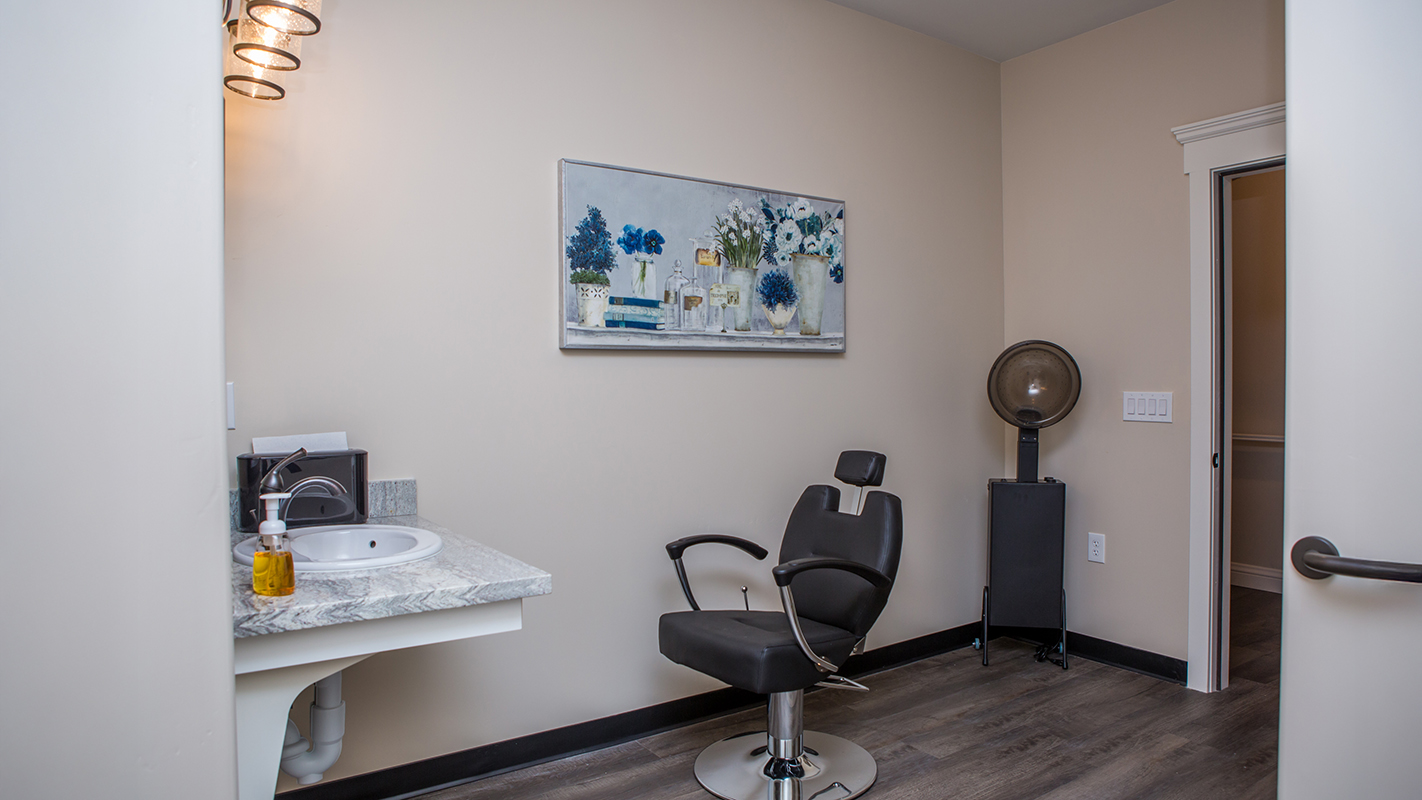
Expect 24 hr supervision, protected boundaries or managed exits, purposeful activity programs that prevent overstimulation, and staff who comprehend behavioral expressions of distress. Medication management is basic. Lots of communities offer on website going to clinicians, physical or occupational treatment partners, and coordination with hospice when the time comes. The daily rhythm matters more than amenities. A memory care wing tucked inside a bigger assisted living can work if the program runs definitely. Standalone structures can likewise be exceptional, particularly if they were developed from the ground up for dementia care instead of retrofitted.
Skilled nursing centers with dementia systems exist, but they serve a various clinical specific niche, frequently with greater medical complexity. If your loved one needs tube feeding, everyday wound care, or frequent injections, a nursing home may be the best fit. For most people with moderate dementia, memory care provides the ideal mix of support, security, and social life.
The moment to begin looking
Families often await a tipping point. It normally looks like among these patterns: repeated wandering or getting lost, 2 or more falls within six months, resistance to bathing that escalates into conflict, caretaker fatigue with overnight guidance, or medications taken incorrectly despite pillboxes and alarms. Emergency clinic visits for dehydration or a urinary tract infection are another signal. If you see any of these, begin exploring, even if you intend to keep your loved one in your home a little bit longer. Good locations can have waitlists of six weeks to 6 months.
Consider respite care as a bridge. Numerous memory care neighborhoods provide brief stays, typically a week to a month, that let you test the fit, stabilize a regular, and provide household caretakers a genuine break. Respite can prove whether a resident settles in a community environment, and it surfaces useful questions you might miss on a fast tour.
Clinical competencies that separate average from excellent
Families naturally concentrate on decoration, but the work occurs in how individuals are cared for at 2 a.m. Clinical depth differs commonly. You can not evaluate it by chandeliers or a fresh coat of paint.
Staffing ratios matter, but ask for the whole image. A neighborhood might state 1 personnel to 6 homeowners by day and 1 to 10 in the evening, however that count might omit the nurse, med tech, or activity personnel. Ask how many direct care assistants are designated to the memory care unit on each shift, and whether those aides are committed to your system or float across the structure. Stability helps homeowners who count on familiar faces to cue the next step.
On website nurse protection is another differentiator. Some communities have a RN or LPN on site 8 to 12 hours daily, with on call assistance over night. Others supply just on call protection at all times. If your loved one has diabetes, heart failure, anticoagulation, or reoccurring infections, real nurse presence shortens the path from subtle decrease to intervention. Enjoy how medication passes are dealt with. A med tech hurrying with a cart recommends throughput is the concern. A med passer who kneels, makes eye contact, and utilizes single step guidelines comprehends dementia care.
Training content counts more than training hours. Try to find communities using proof notified methods such as Teepa Snow's Positive Technique to Care, Montessori based dementia activity methods, or Dementia Care Mapping. Ask how often they revitalize skills and whether new hires watch seasoned memory care staff before taking a complete project. I like to hear stories of how staff avoided a crisis, not only how they dealt with one. For example, an assistant who silently changes a resident's path after lunch to avoid the door he typically attempts is practicing prevention, not just redirection.

Behavioral health assistance is a common space. If a loved one has hallucinations, delusions, or anxiety that gets worse later in the day, examine whether the neighborhood deals with a geriatric psychiatrist or neuropsychologist. Beware settings that default to sedating medications when activities, environment, or everyday regular modifications could solve half the issue without side effects.
Safety and environments that do not feel like prisons
Good memory care balances security with self-respect. Safe doors should be discreet, not the first thing a visitor notices. Enjoy citizens circulate. Do they get stuck at exits or circulation toward inviting areas? Hallways must be brief, with clear sight lines, constant lighting, and visual hints that reduce confusion. Glare on sleek floorings can look like water to individuals with dementia and trigger avoidance. Patterned carpets can develop the impression of steps or objects and increase fall danger. Hand rails that contrast with the wall, not mix in, motivate consistent walking.
Private restrooms ought to have grab bars, a shower seat, and shelving within arm's reach so residents do not twist or flex to find soap. A raised toilet, contrasting seat color, and a clear course from bed to toilet reduce night falls. Doors should support privacy with oversight. Dutch doors or half doors help personnel cue without intruding.
Outdoor gain access to is not a luxury. A safe, enclosed garden with wide courses and seating provides restless walkers a location to go. I have actually seen late afternoon agitation visit half when a community constructed an easy looping course with a bird feeder and a bench at each turn. Fresh air helps hunger and sleep.
A final word on alarms. Bed and chair alarms can prevent falls, however they likewise terrify homeowners and condition staff to run rather than engage. The better service is proactive rounding, regular toileting, and a room design that ensures motion the course of least resistance.
Daily life that seems like life
Memory care should not be a long corridor of televisions. A full day includes small group activities, sensory experiences, and familiar jobs citizens can do well sufficient to feel useful. Folding towels, setting tables, watering plants, polishing silverware with a soft fabric, or arranging buttons by color can be more healing than a scheduled bingo hour. The goal is not to occupy time, it is to spark abilities that still exist.
Look beyond the posted activities calendar. Calendars can be aspirational. Ask what happens in between 5 and 7 p.m. When sundowning typically peaks. Who leads morning routines for residents who wake early, and how do they support night owls who sleep later? A good community fulfills residents where they are. Meals need to be predictable, with options provided just. Finger foods can maintain self-reliance for those who battle with utensils. Hydration stations with noticeable, easy to hold cups beat pointers to drink more.
Families in some cases focus on facilities. A theater or beauty parlor is good, but the real feature is a staff member who understands your mother takes sugar in her tea which she likes to walk the halls after lunch, stopping by the same framed picture to talk about her wedding. Culture lives in those details.
The genuine costs and how to read a contract
Market rates vary by region, but memory care typically costs more than basic assisted living due to the fact that of staffing and security. In many metro areas, anticipate a base rate of 5,000 to 9,000 dollars each month. Add care levels and you can land between 6,500 and 12,000 dollars. Some high acuity locals, specifically those needing two individual transfers or continuous cueing, may reach 14,000 dollars or more. Rural areas might run lower, often by 15 to 25 percent.
There are 2 typical prices designs. One is all inclusive: a single month-to-month cost covers real estate, meals, standard care, and a lot of materials. The other is fee for service: a lower base rent plus tiered care charges connected to assessed requirements, such as bathing help or incontinence care. All inclusive feels simpler, but it can be more expensive for low acuity residents. Tiered models can start inexpensive, then increase rapidly after reassessment. Ask how often reassessments occur and what activates them. A provider that reassesses monthly might capture needed support early, but it may also raise costs faster.
Long term care insurance might cover a part of memory care if the policy triggers on cognitive impairment or failure to perform two or more activities of daily living. Veterans may get approved for Aid and Presence. Medicaid protection depends on your state's waiver programs and the community's licensure. Many neighborhoods are personal pay only. If money is tight, ask early about spend down policies, whether the community keeps citizens after private funds go out, and whether they have Medicaid licensed sister facilities.
Pay very close attention to relocate charges, community fees, 2nd occupant charges, and care level pricing bands. Clarify what is billable: incontinence products, transportation for visits, drug store shipment, and on site treatments frequently bring different charges. A clear, line item description indicates a transparent provider.
How to evaluate a location beyond the tour
Tours are theater. The better you prepare, the more you will see through scripted lines. Visit more than once, at different times. Late afternoon shows a community's true character. Weekends reveal depth when administrative personnel are not present. Ask to observe a meal and an activity. Enter a resident hallway. Smell matters. Strong odors can be a sign of understaffing or poor infection control.
Bring a simple list and use it sparingly so you can still look and listen.
- Staffing truth check: count noticeable assistants, ask which shifts have the most call lights, and how typically company personnel are used
- Clinical presence: confirm nurse hours on website, how after hours immediate issues are dealt with, and which outside clinicians round regularly
- Engagement beyond the calendar: see whether locals are active between scheduled programs, not just throughout them
- Communication in action: listen to how staff speak to residents, with respect and basic options instead of commands
- Safety without restraint: try to find inconspicuous exits, safe outside space, and restrooms established to promote independence
If a neighborhood refuses an unannounced follow up visit, take note. It does not have to be long, but a supplier confident in daily operations typically accommodates.
Questions that expose genuine practice
Stories are more difficult to phony than policies. Ask an administrator to inform you about a time a resident ended up being physically aggressive and how personnel de escalated the situation. Ask the nurse what they do when a resident stops eating, and what steps come before calling the physician. Ask an aide how they would help somebody who withstands bathing and what time of day normally works finest. Ask the activity director how they include a resident who declines group activities. The responses will either be specific and humane, or vague and procedural.
Ask likewise about medical facility transfers. Does the community have standing orders that keep minor problems in house, like a procedure for believed urinary tract infections that consists of hydration and on site testing before an ambulance call? Frequent transfers can decondition residents and activate delirium. A thoughtful danger tolerance, paired with prompt physician support, lowers those spirals.
Try before you purchase: the case for respite care
Respite care is not simply for family relief. It can be a real test drive for dementia care. A 7 to 2 week stay lets staff discover your loved one's patterns while you discover the personnel's. You will discover if your father eats much better with finger foods or if he needs a morning walk to decrease his late afternoon pacing. You will likewise discover how the community interacts. Do they call for every small change, or do they resolve small problems and update you in an absorbable way?
Expect a daily rate for respite, often 200 to 400 dollars depending on area and level of care, with a minimum stay. Bring familiar items: a preferred blanket, framed photos, a lamp from home, and the soap he likes. Even in a short stay, these touches speed settling. If respite works out, transitioning to an irreversible positioning frequently takes less psychological energy. If it does not go well, you have learned at a lower expense what to focus on next time.
Culture fit: language, faith, identity, and food
Clinical excellence without cultural fit leaves families and residents anxious. If your mother speaks another language when tired, see if any team member share it or if the neighborhood has residents from comparable backgrounds. If faith practices matter, ask how they are supported. Vacations, music, and food carry deep memory. I have viewed a resident who disregarded lunch light up at the odor of cardamom rice, then eat well for the first time in a week.
LGBTQ+ older adults often bring justified issues about discrimination. Ask directly about staff training on inclusive care, whether homeowners can share rooms despite gender, and how the community addresses disrespect amongst citizens. A place that responds to clearly will also secure your loved one when you are not there.
Red flags and trade offs
No supplier is ideal. However some issues forecast bigger ones. High firm staffing week after week means your loved one will see new faces constantly. Locked fridges or stringent treat policies can indicate a control oriented mindset rather than a person centered one. Residents who appear sedated mid early morning suggest overuse of psychotropic medications. A stunning structure with empty typical locations can imply the activity program is thin or homeowners are restricted to spaces too often.
On the other hand, do not dismiss a smaller sized, older building if the personnel radiate warmth and competence. I understand a 24 bed memory care with scuffed baseboards and the very best track record for weight stability and fall reduction in a five county radius. Families in some cases choose it after attempting a flashier place where Mom decreased behind closed doors. Trade looks for outcomes.
Prepare for relocation in like a little project
Moving an individual with dementia is not just logistics. It is choreography. Start with a short life story that personnel can check out in five minutes: preferred name, day-to-day rhythms, professions, pastimes, important individuals, worries, foods that comfort, and activates to prevent. Include a current picture and one from midlife, when lots of memories anchor. Label clothes plainly. Choose comfy shoes with non slip soles. Bring bedding and a couple of favorite items, however do memory care home not mess. A lot of knickknacks end up being tripping threats or frustrating puzzles.
Plan arrival for a time your loved one normally succeeds. Mornings often work better. Keep the room set up basic and familiar. Stay long enough to see the very first activity or meal, then step back so staff can construct the new routine. Expect a rough very first 72 hours. Even the smoothest shifts can look unpleasant before they settle. Offer the community any convenience scripts you have actually utilized in the house: the words that helped Dad accept a shower, or the way you use choices throughout dressing.
Your function after placement: present, not hovering
Families often swing from hands on caregiving to near overall handoff. Stay engaged, but do not weaken personnel by redoing care jobs during every visit. Set a cadence for communication that works for both sides, perhaps a weekly check in call with the nurse and fast texts for minor updates. Visit at different times to see a fuller image. Watch on weight, contusions, and state of mind, however also look for favorable modifications: steadier walking, better appetite, fewer frenzied calls home.
Bring purposeful items for visits. A deck of big print cards, a small photo album, cold cream for a relaxing hand massage, or a favorite snack can turn a visit into quality time. If you see a problem, raise it immediately and specifically. Rather than saying, "She looks unkempt," try, "I discovered Mom's nails are long and snagging. Can we add nail care to her personal care plan two times a week?" Clearness welcomes action.
Crisis planning and hospital transitions
Even with the best care, health center journeys happen. Ask the community to prepare a grab and go packet: medication list, advance directive, health care proxy, allergic reactions, standard cognitive and practical status, and a short behavioral profile for the emergency situation department group. Hospitals can mistake dementia associated restlessness for psychiatric agitation and medicate reflexively. A one page note that states, "Mrs. X becomes nervous under intense lights. Please speak gradually, use one option at a time, and avoid benzodiazepines if possible," can conserve hours of distress.
Plan for the return too. Delirium after hospitalization prevails in dementia. Ask whether the neighborhood can increase observation for a week, add hydration hints, and briefly change sleep routines to re anchor days and nights. A strong partnership in between the memory care nurse and the primary care supplier reduces recovery.
Two places, one life: when couples need different care
One of the thorniest predicaments emerges when one spouse requires memory care and the other does not. Some neighborhoods enable the much healthier partner to reside in independent or assisted living on the very same school while checking out easily. This setup protects shared routines without frustrating the well partner. If co residing remains essential, ask whether the memory care unit can accommodate a two person apartment and how the care group safeguards the needs of both people. Expect compromises. The well partner may trade some self-reliance for the security and predictability the other requires.
Five contract clauses to check out twice
Signing day arrives quickly when a space opens. Slow it down long enough to scrutinize terms that will form your experience.
- Negotiated threat agreements: understand any documented exceptions to standard security practices, such as permitting independent dining despite choking risk, and how typically these are reviewed
- Discharge criteria: know exactly what sets off a needed vacate, such as repeated aggressive behavior, monetary default, or medical needs beyond license
- Rate boost policy: look for caps, notification durations, and whether increases apply to base rent, care levels, or both
- Resident assessment procedure: validate who conducts assessments, how household input is integrated, and the appeal procedure if you disagree with a new care level
- Arbitration and legal terms: decide whether you are comfortable waiving the right to a jury trial and how disputes are handled
If a clause feels lopsided, ask if it is flexible. Even if the answer is no, the discussion will expose how the organization deals with pushback.
When to alter course
Sometimes the first option turns out to be the wrong one. Patterns to view: duplicated medication errors, unreturned calls, personnel turnover so high you never see the exact same face twice, frequent unexplained swellings, or rapid weight loss without a clear strategy to resolve it. If your gut says the fit is off, revisit your shortlist. Document concerns, provide the existing service provider a chance to fix them, and set deadlines. A prompt transfer to a better fit can slow decrease that looks unavoidable but is not.
I think typically of Mr. Alvarez, a retired mechanic who paced all the time at home, breaking two caretakers and his daughter, who worked nights. His very first placement was shiny and peaceful. Within a month he refused meals and lost eight pounds. We moved him to a smaller memory care where the activity director took out a box of old carburetors and let him tinker with safe tools at a workbench two times a day. He restored five pounds, slept through the night, and stopped trying to exit. Exact same medical diagnosis, various outcome, because the setting fit the man.
The choice you can live with
Choosing memory care is not about perfection. It is about aligning capabilities with requirements, values with culture, and cost with resources. Collect realities, but likewise checked out the human signals: how personnel talk to citizens, whether laughter increases from down the hall, how quickly somebody notices a requirement and transfers to satisfy it. Use respite care to test, examine agreements with clear eyes, and prepare the move like the tender project it is. The ideal home for dementia care does not erase loss, however it can make room for safety, ease, and small day-to-day pleasures that still amount to a life.
BeeHive Homes of Arrowhead Assisted Living provides assisted living care
BeeHive Homes of Arrowhead Assisted Living provides memory care services
BeeHive Homes of Arrowhead Assisted Living provides respite care services
BeeHive Homes of Arrowhead Assisted Living supports assistance with bathing and grooming
BeeHive Homes of Arrowhead Assisted Living offers private bedrooms with private bathrooms
BeeHive Homes of Arrowhead Assisted Living provides medication monitoring and documentation
BeeHive Homes of Arrowhead Assisted Living serves dietitian-approved meals
BeeHive Homes of Arrowhead Assisted Living provides housekeeping services
BeeHive Homes of Arrowhead Assisted Living provides laundry services
BeeHive Homes of Arrowhead Assisted Living offers community dining and social engagement activities
BeeHive Homes of Arrowhead Assisted Living features life enrichment activities
BeeHive Homes of Arrowhead Assisted Living supports personal care assistance during meals and daily routines
BeeHive Homes of Arrowhead Assisted Living promotes frequent physical and mental exercise opportunities
BeeHive Homes of Arrowhead Assisted Living provides a home-like residential environment
BeeHive Homes of Arrowhead Assisted Living creates customized care plans as residents’ needs change
BeeHive Homes of Arrowhead Assisted Living assesses individual resident care needs
BeeHive Homes of Arrowhead Assisted Living accepts private pay and long-term care insurance
BeeHive Homes of Arrowhead Assisted Living assists qualified veterans with Aid and Attendance benefits
BeeHive Homes of Arrowhead Assisted Living encourages meaningful resident-to-staff relationships
BeeHive Homes of Arrowhead Assisted Living delivers compassionate, attentive senior care focused on dignity and comfort
BeeHive Homes of Arrowhead Assisted Living has a phone number of (602) 717-1864
BeeHive Homes of Arrowhead Assisted Living has an address of 17202 N 69th Ave, Glendale, AZ 85308
BeeHive Homes of Arrowhead Assisted Living has a website https://beehivehomes.com/locations/arrowhead
BeeHive Homes of Arrowhead Assisted Living has Google Maps listing https://maps.app.goo.gl/D7JvVkn2P8RDaFQS7
BeeHive Homes of Arrowhead Assisted Living has Facebook page https://www.facebook.com/BeeHiveArrowhead
BeeHive Homes of Arrowhead Assisted Living won Top Assisted Living Homes 2025
BeeHive Homes of Arrowhead Assisted Living earned Best Customer Service Award 2024
BeeHive Homes of Arrowhead Assisted Living placed 1st for New Mexico Senior Living Communities 2025
People Also Ask about BeeHive Homes of Arrowhead Assisted Living
What is BeeHive Homes of Arrowhead Assisted Living Living monthly room rate?
Our monthly rate is based on an individual care assessment that determines the level of support your loved one needs. We use an all-inclusive pricing model, which means no hidden costs, no surprise fees, and no confusing tier add-ons. Contact us to schedule a complimentary assessment and personalized quote
Can residents stay in BeeHive Homes of Arrowhead Assisted Living until the end of their life?
In most cases, yes. We are committed to caring for our residents through their journey. Exceptions may arise if a resident requires 24-hour skilled nursing services or presents safety concerns that exceed what our home can accommodate. We work closely with families and healthcare providers to ensure smooth, compassionate transitions whenever they are needed
Do we have a nurse on staff?
Our home has a consulting nurse available 24/7. If nursing services are needed, a physician can order home health care to be provided directly in the home. Our trained caregiving staff is on-site around the clock for daily support, medication management, and emergency response
What are BeeHive Homes of Arrowhead Assisted Living's visiting hours?
We welcome family visits and work to accommodate schedules flexibly. We simply ask that visits happen at reasonable hours so our residents can maintain healthy daily routines. We believe family connection is essential, and we never want policies to get in the way of that
Do we have couple’s rooms available?
Yes. We have rooms designed for couples who want to stay together. Availability varies, so we encourage you to ask early during the tour and assessment process
Where is BeeHive Homes of Arrowhead Assisted Living located?
BeeHive Homes of Arrowhead Assisted Living is conveniently located at 17202 N 69th Ave, Glendale, AZ 85308. You can easily find directions on Google Maps or call at (602) 717-1864 Monday through Sunday 7:00am to 7:00pm
How can I contact BeeHive Homes of Arrowhead Assisted Living?
You can contact BeeHive Homes of Arrowhead Assisted Living by phone at: (602) 717-1864, visit their website at https://beehivehomes.com/locations/arrowhead or connect on social media via Facebook
Haus Murphy's provides a welcoming local dining experience that assisted living and memory care residents can enjoy during senior care and respite care visits.